April 16, 2026
Tile roofs have been a popular choice for centuries, valued for their durability, aesthetic appeal, and energy efficiency. With so many tile roofing options available today, understanding the differences between them is essential to making the right choice for your home. Each type has unique features that suit different architectural styles, climates, and long-term goals.
1. Choose Clay Tile Roofs for Timeless Appeal
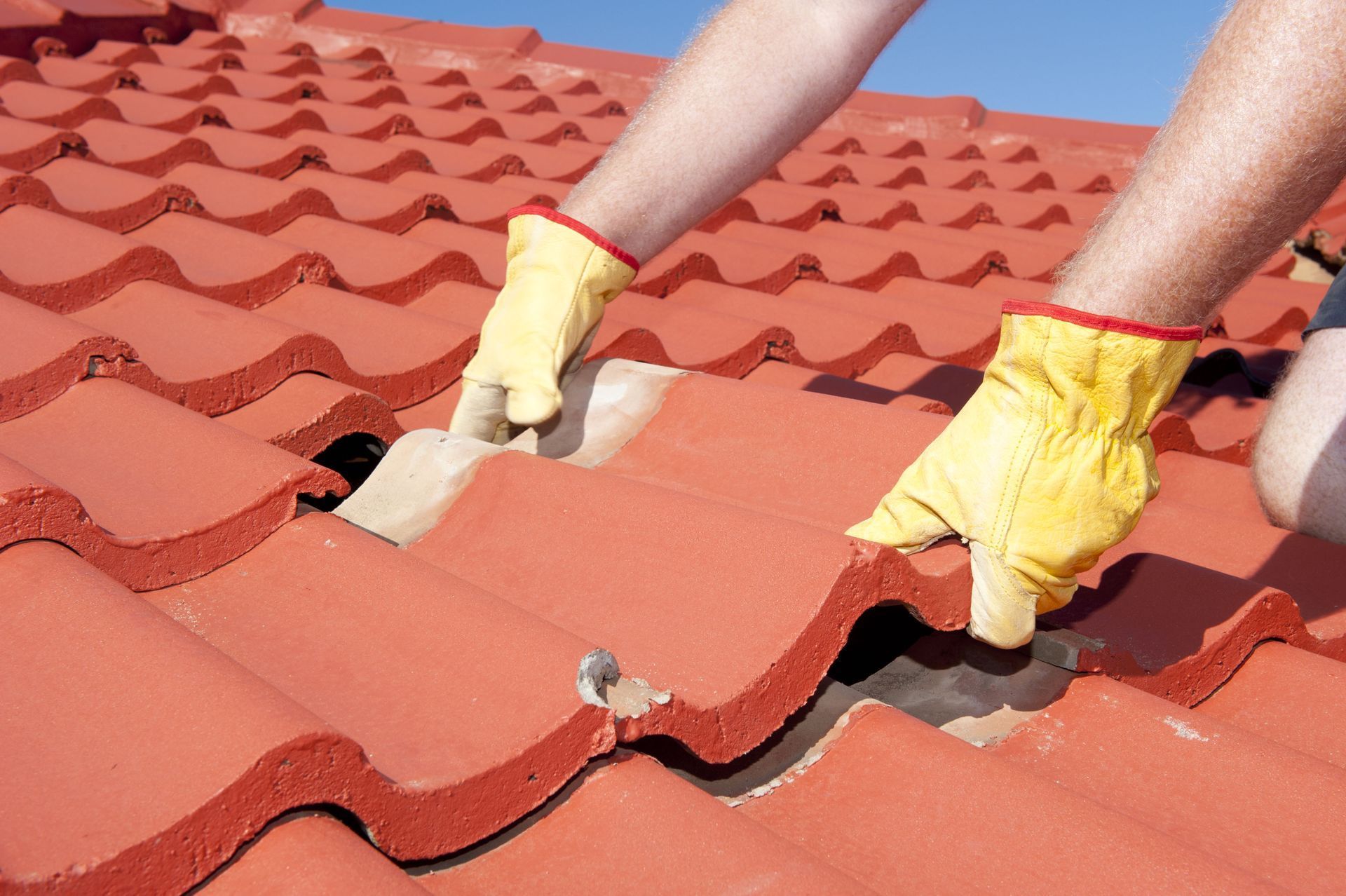
Clay tile roofs have an enduring charm that dates back to ancient civilizations, making them one of the most historically significant roofing materials still in use today. Their classic appearance has transcended cultural and architectural boundaries, and the natural material gives them a distinctive, eye-catching look that holds up beautifully across centuries of design evolution. Clay tiles are also synonymous with durability, capable of withstanding harsh weather conditions, including high winds, hail, and fire, all while resisting moisture, mold, and mildew. Their natural insulating properties help maintain stable indoor temperatures, contributing to the energy efficiency of any home. A skilled tile roofing contractor can help you select the right clay tile profile and finish to complement your home's exterior and regional climate.
The aesthetic versatility of clay tiles is another major draw, with options ranging from traditional terracotta profiles to modern glazed finishes in a wide range of colors. Color retention is one of clay's standout qualities — these tiles hold their vibrancy even after years of sun exposure, keeping your roof looking fresh without frequent maintenance. Different styles and shapes allow for creative customization across a variety of roof designs, from Mediterranean-inspired homes to more contemporary builds. While clay tiles require a structurally sound roof to support their weight, the long-term performance they deliver makes the upfront preparation well worth it. Working with an experienced tile roofing contractor ensures proper installation and structural assessment from the start.
2. Consider Concrete Tile Roofs for Versatile Durability
Concrete tiles are prized for their robustness, composed of sand, cement, and water in a solid structure that can endure heavy winds, severe storms, and significant impacts. Their non-combustible nature makes them a reliable option in fire-prone regions, and their substantial weight helps anchor them firmly in place even under adverse conditions. One of the most appealing aspects of concrete tiles is their design flexibility — they can mimic the appearance of clay, slate, and even wood, giving homeowners access to a range of aesthetics without sacrificing the practical benefits of concrete. Available in a wide array of shapes, profiles, and colors, concrete tiles can be tailored to fit virtually any architectural style. A tile roofing contractor can help you identify the profile and finish that best suits your home's design.
3. Select Slate Tile Roofs for Luxury and Longevity
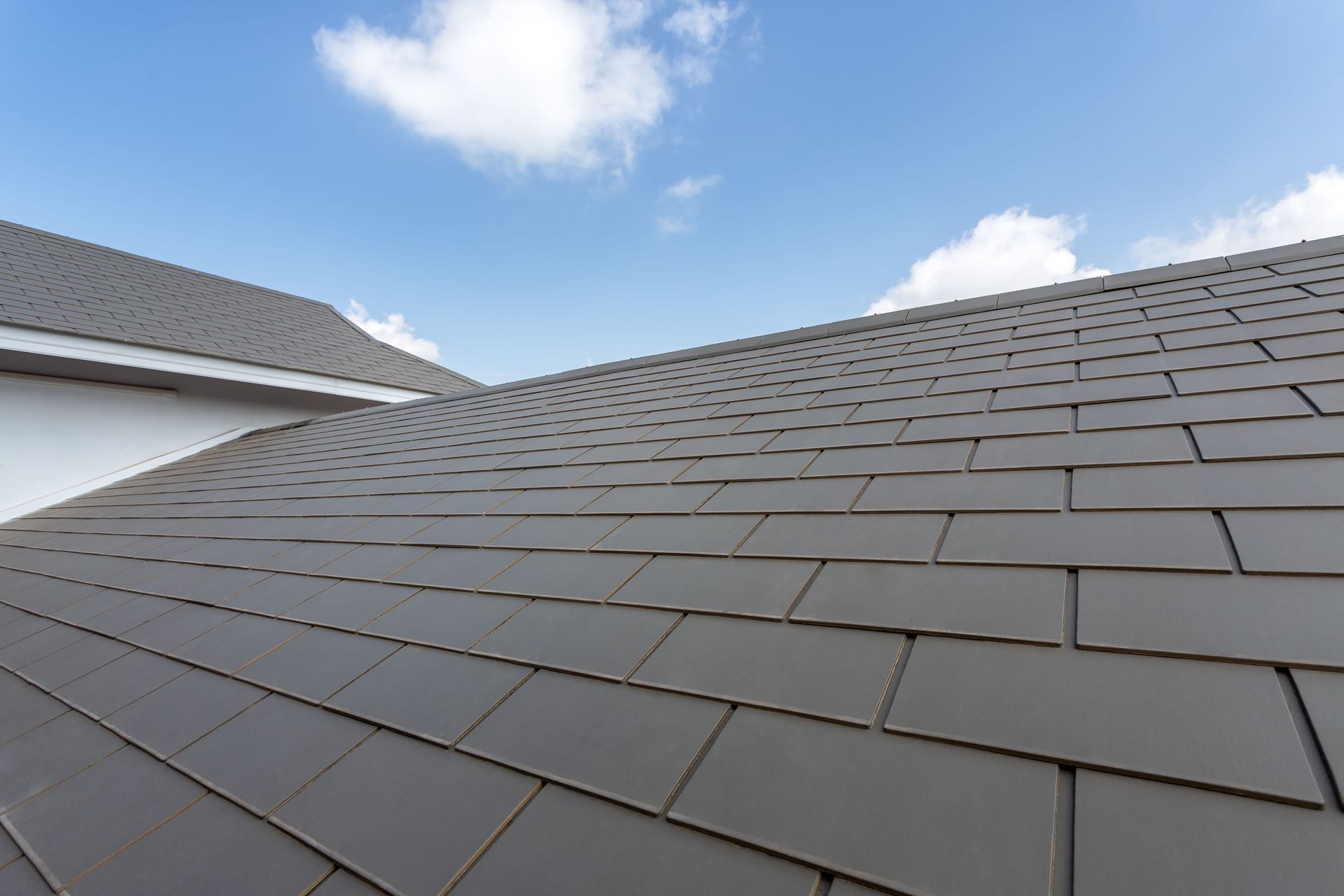
Slate tiles are renowned for their luxurious and elegant appearance, offering a natural texture and color variation that creates visually stunning roofs with genuine character. The unique richness of natural stone gives slate roofs a premium quality that enhances the curb appeal of any home, and the variety of available colors allows for customization across different architectural styles. Beyond their beauty, slate tiles are exceptionally durable, with many installations lasting well over a century when properly maintained.
Installation is more complex with slate than with other tile types, requiring professional expertise to ensure proper placement, alignment, and structural support. The weight of slate tiles necessitates a reinforced roofing structure, and precision is essential to avoid issues like leaks or tile slippage down the road. Slate also offers superior resistance to high winds, hail, fire, insects, and temperature fluctuations, making it one of the most well-rounded performers in terms of weather resistance. These qualities make slate an especially attractive option in regions that experience harsh or unpredictable environmental conditions. Consulting a tile roofing contractor with slate experience is the best way to ensure that the complexity of the installation is handled with the craftsmanship this material demands.
4. Explore Metal Tile Roofs for Strength and Efficiency
Metal tile roofs offer a compelling combination of strength, design flexibility, and energy efficiency that makes them a popular choice for a wide range of homes. These tiles are available in various shapes, styles, and colors, and they can convincingly mimic the look of clay, slate, or wood while delivering the inherent performance benefits of metal. Their lightweight nature reduces structural stress on the home and facilitates a more straightforward installation process, which can be an advantage for certain roofing structures. Metal tiles are exceptionally resistant to cracking, shrinking, and eroding, and their interlocking design mechanisms provide enhanced wind resistance during severe storms. A tile roofing contractor experienced with metal systems can ensure the tiles are installed correctly and that all coatings are applied to maximize rust and moisture resistance.
Energy efficiency is one of the most notable advantages of metal tile roofs. Reflective coatings reduce heat absorption and help keep homes cooler during warmer months, decreasing the demand on air conditioning systems. Metal roofing can also be paired with insulation to further enhance its energy-saving capabilities.
5. Discover Composite Tile Roofs for Modern Performance
Composite tile roofs represent a contemporary innovation in roofing technology, combining multiple materials to deliver enhanced durability and a wide range of aesthetic options. These tiles often replicate the appearance of natural materials like wood or slate while remaining significantly lighter, which reduces the need for additional structural reinforcement during installation. Advances in manufacturing have produced composite tiles that resist UV rays, wind, and moisture effectively, with additives that prevent fading and weathering over time.
The production of composite tiles frequently incorporates recycled materials, aligning with environmentally responsible building practices and reducing demand for natural resources. Their long lifespan also means fewer replacements over the life of the home, further lowering their overall environmental footprint. The ease of installation and design adaptability of composite tiles make them well-suited for both new construction and remodeling projects, with options that cater to both traditional and contemporary design preferences. Homeowners who want the look of premium natural materials with the added benefits of modern engineering often find composite tiles to be an ideal solution.
6. Learn Why Synthetic Tile Roofs Are a Smart Modern Choice
Synthetic tile roofs have evolved significantly thanks to advances in materials technology, resulting in products that closely replicate the look of clay, slate, and wood while offering impressive durability and adaptability. Engineered to withstand heavy rain, high winds, UV radiation, and extreme temperature changes, synthetic tiles minimize the risk of warping, cracking, or fading over time. According to The Spruce, tile roofs perform best on steep slopes and are not recommended for roof pitches below 4:12, making it important to have your roof's geometry evaluated before selecting any tile type. Their strong resistance to environmental stressors makes synthetic tiles an excellent fit for diverse climates, providing reliable protection with minimal upkeep. A qualified tile roofing contractor can assess your roof's pitch and structure to confirm whether synthetic tiles are the right fit for your specific situation.
Synthetic tiles also offer a wealth of aesthetic possibilities, allowing homeowners to achieve a wide range of looks without the weight or maintenance demands of natural materials. Their lighter profile compared to clay or slate reduces the structural load on the home, making them accessible for a wider variety of roofing structures. Many synthetic tile products are manufactured with recycled content, supporting sustainable building goals while delivering high-performance results. The combination of design flexibility, durability, and ease of installation makes synthetic tiles one of the most versatile options in the tile roofing category today.
If you are ready to explore your tile roofing options, contact us at Holzer Jesko Quality Exteriors today. We will help you find the ideal tile roofing contractor for your project and guide you every step of the way toward a roof that is built to last.