November 7, 2026
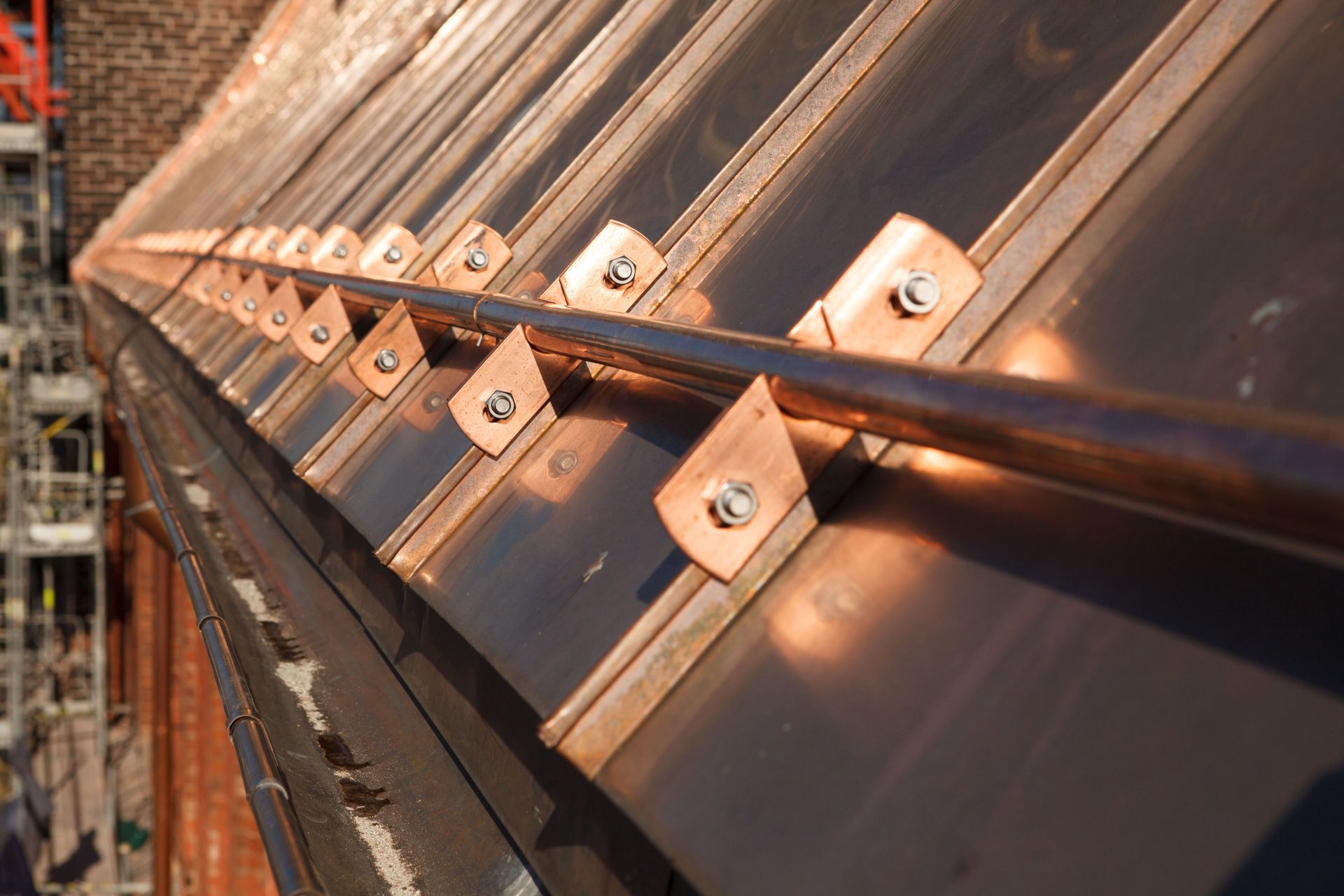
Copper is a durable, attractive material commonly used in roofing systems, gutters, flashing, and decorative exterior features. However, even well-maintained copper components can develop leaks when seams weaken, joints separate, or weather exposure causes damage. Soldering offers a practical way to seal certain leaks by joining copper surfaces and restoring watertight connections. Understanding how this technique works can help property owners recognize when professional repairs may protect their homes and preserve their exterior features.
Identifying the Causes of Copper Leaks
Copper can last for decades, but its longevity does not eliminate the need for inspections and occasional repairs. Rain, snow, temperature fluctuations, and physical damage can affect the connections between copper components. When these areas deteriorate, water may enter the roofing system or flow behind exterior materials.
Common causes of copper leaks include:
- Failed seams: Soldered joints can deteriorate over time, creating openings that allow water to pass through.
- Damaged flashing: Copper flashing around chimneys, roof valleys, and other transitions can develop gaps that compromise waterproofing.
- Loose connections: Movement caused by temperature changes or building settlement can place stress on joints.
- Physical damage: Falling branches, debris, and improper maintenance can bend copper sections or damage their seams.
- Corrosion and deterioration: Although copper resists corrosion, environmental exposure and contact with incompatible materials can lead to localized problems.
Identifying the source of a leak is an essential first step in exterior copper repairs. Water may travel along a roof or gutter before becoming visible inside the property, making the apparent location of a leak different from its actual source. A professional inspection helps determine whether soldering can restore the affected joint or whether damaged material requires replacement.
Preparing Copper Surfaces for Soldering
Successful soldering depends on proper preparation. Dirt, oxidation, old sealants, and other contaminants can prevent solder from bonding effectively with copper. If a technician attempts to seal an unprepared surface, the repair may fail prematurely, allowing moisture to re-enter the same area.
The preparation process generally involves several steps. First, the technician identifies the damaged seam and examines the surrounding material for additional weaknesses. The affected surfaces are then cleaned to remove debris, oxidation, and residue that could interfere with the bond. Depending on the condition of the copper, careful abrasion may be necessary to expose a clean bonding surface.
Appropriate flux may also be applied to help the solder flow across the prepared metal. The specific flux and solder must be compatible with the copper component and its intended use.
Preparation also includes protecting nearby roofing materials, wood, insulation, and other combustible components from heat. Because copper exterior features are often attached to complex building assemblies, technicians must account for concealed materials and fire hazards before beginning work.
These precautions are particularly important during exterior copper repairs on older properties, where original construction methods and surrounding materials may require specialized handling.
Applying Heat to Create Watertight Seams
Soldering joins compatible metal surfaces by melting a filler metal that flows into the prepared joint. Unlike welding, which melts the base metals themselves, soldering generally leaves the copper components intact while creating a bond between them.
During a repair, a technician carefully applies controlled heat to the joint and introduces solder as the metal reaches the appropriate temperature. The solder flows into the seam via capillary action, filling small openings and forming a continuous connection when the joint is properly prepared.
The objective is not simply to cover a visible gap with metal. The solder must bond with the copper surfaces to create a durable seal that resists water penetration. Too little heat can prevent proper bonding, while excessive heat may damage nearby materials or distort thin copper sections.
Technicians must also consider the shape and position of the joint. A horizontal seam, vertical connection, and complex flashing transition may each require a different approach to achieve consistent coverage. These techniques are essential to effective exterior copper repairs because each joint must be properly sealed to help prevent future leaks.
When performed correctly, soldering can restore the watertight integrity of suitable copper seams without requiring an entire component to be replaced. This makes it a valuable technique for maintaining copper roofing details and other exterior metalwork.
Evaluating When Soldering Is Appropriate
Not every copper leak can be resolved with soldering alone. The condition of the surrounding material, the size of the damaged area, and the design of the component all influence the most appropriate repair method.
Soldering is generally suitable for accessible joints where the copper remains structurally sound and the damage is localized. However, extensive deterioration, large holes, severely deformed sections, or widespread seam failure may require replacement or additional restoration work.
A qualified professional evaluates the affected area before recommending a solution. This assessment helps prevent unnecessary work while ensuring the repair addresses the underlying problem rather than concealing its symptoms.
According to the Roofers' Guild, replacing a roof costs an average of $11,500, with many consumers paying between $6,700 and $80,000. These figures illustrate the potentially significant expense of a major roofing project, although actual costs vary according to materials, roof size, complexity, and labor requirements. Repairing a localized copper seam may be a more economical option when the surrounding system remains in good condition.
However, cost should not be the only consideration. Professional exterior copper repairs should prioritize effective water management, the condition of the underlying structure, and the long-term reliability of the finished work.
Inspecting and Testing Repaired Copper Joints
Once soldering is complete, the repaired joint needs to be inspected before the work is considered finished. A technician checks whether the solder has bonded consistently with the copper and whether any visible gaps, cracks, or incomplete sections remain. This inspection is an important step in ensuring exterior copper repairs provide a reliable, watertight seal.
The surrounding area should also be examined for damage that could compromise the repair. For example, a sealed gutter seam may still leak if the gutter is improperly pitched, while a repaired flashing joint may not resolve water intrusion caused by nearby damaged roofing materials.
Depending on the component and the repair, appropriate water testing may help confirm that the joint performs as intended. Testing should follow safe procedures and avoid introducing water into vulnerable areas of the building.
Maintaining Copper Features to Prevent Future Leaks
Routine maintenance can help property owners identify minor problems before they develop into more extensive water damage. Although copper is known for its durability, debris accumulation, loose connections, and severe weather damage can still affect performance. Regular inspections can also help determine when exterior copper repairs are needed to maintain reliable drainage and prevent recurring leaks.
Property owners should arrange periodic inspections of copper roofing, gutters, flashing, and other exposed metalwork. Keeping gutters clear of leaves and debris also supports proper drainage and reduces the risk of standing water, which can place additional stress on seams.
After major storms, it is sensible to look for visible signs of damage from the ground, including displaced sections, unusual water overflow, and staining near roof edges. Homeowners should avoid climbing onto roofs or handling damaged metalwork themselves, particularly when surfaces are wet or roofs are steep.
Professional maintenance is especially valuable for older properties with custom copper details. Experienced technicians can identify developing weaknesses, recommend appropriate repairs, and help preserve architectural features that may be difficult or expensive to reproduce.
Choosing Professional Help for Reliable Repairs
Repairing copper requires an understanding of metal properties, soldering techniques, drainage requirements, and the construction methods used in different exterior systems. An inexperienced repair can leave weak joints, damage surrounding materials, or fail to address the actual source of a leak.
Professional contractors can assess whether soldering, localized material replacement, or more extensive restoration is appropriate for the affected area. They can also evaluate nearby seams and connections to identify problems that may otherwise go unnoticed.
For historic homes, this expertise is particularly important because copper elements often contribute to the property's original architectural character. Preserving sound material while repairing damaged joints can help maintain both appearance and function.
When copper seams begin leaking, timely professional attention can help prevent moisture damage and preserve the performance of the surrounding system. Contact Holzer Jesko Quality Exteriors to schedule a consultation and discuss your exterior copper repairs.