October 26, 2026
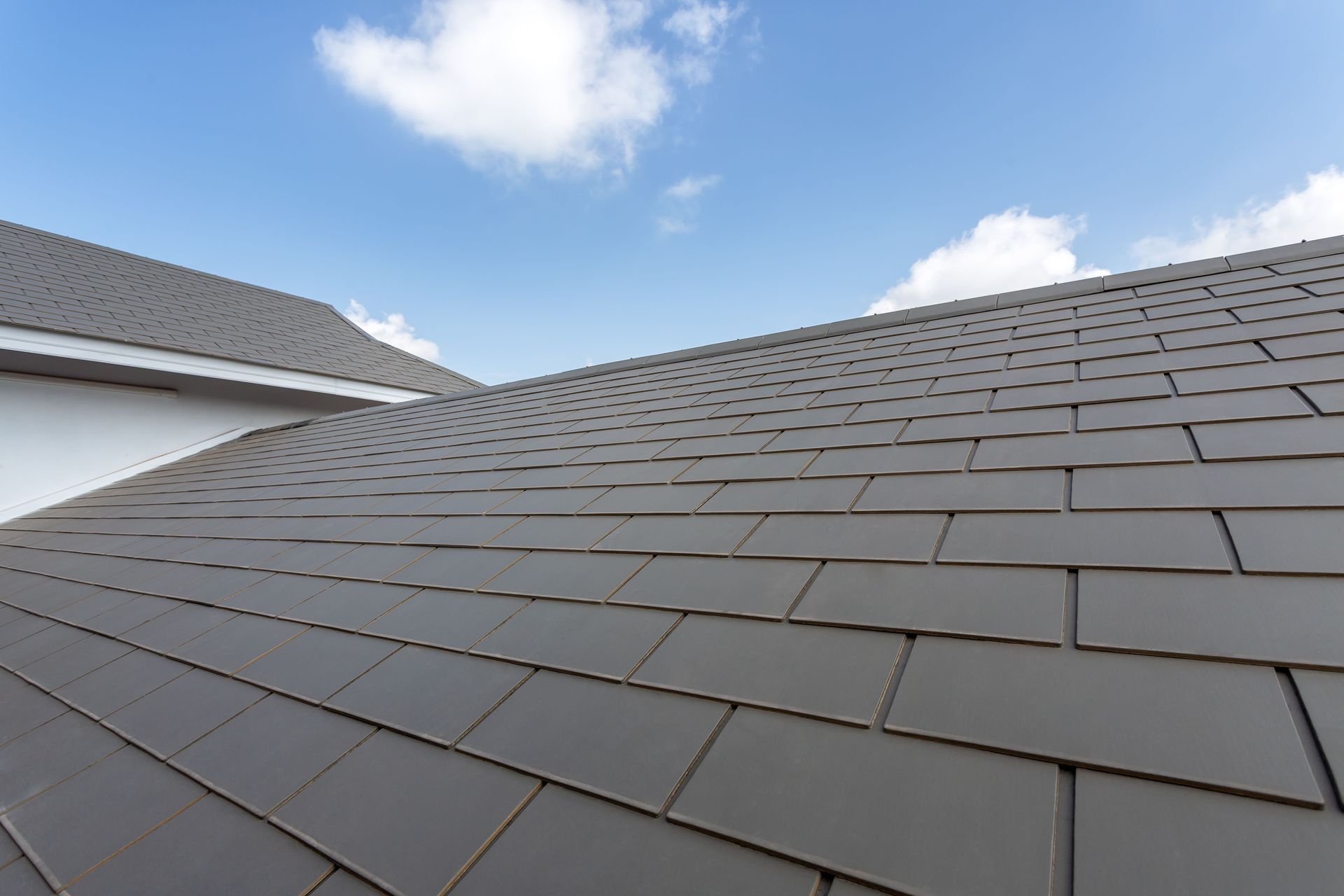
Slate roofs are valued for their natural beauty, durability, and ability to complement historic architecture. However, even a long-lasting roof eventually requires maintenance, repairs, or restoration. Homeowners must determine whether isolated problems can be corrected or whether more extensive work is necessary to protect the property. Understanding the roof's condition, comparing long-term costs, and evaluating restoration options can make this decision easier. A qualified slate roof contractor can help homeowners assess their options and develop a practical plan for preserving their roof.
s
Assessing the Condition of an Aging Slate Roof
Identifying Visible Damage
Broken, missing, cracked, or slipping slates can indicate that a roof needs attention. Water stains on ceilings, deteriorating flashing, and moisture around chimneys may also point to roofing problems. Although moss and algae can affect a roof's appearance, their presence alone does not necessarily mean the slate has failed. Homeowners should avoid walking on slate, which can break under pressure, and arrange a professional evaluation when concerns arise.
Evaluating Hidden Problems
A roof's visible surface does not always reveal the full extent of its deterioration. Failing fasteners, damaged flashing, weakened roof decking, and moisture beneath the slates can contribute to leaks. A slate roof contractor can examine vulnerable areas and determine whether damage is isolated or part of a larger issue. Photographs and a written condition report can help homeowners understand the findings and compare possible solutions.
Estimating Remaining Service Life
Natural slate can last for many decades, sometimes exceeding a century when the material and supporting roof system are well maintained. However, slate quality varies, and age alone does not determine whether a roof needs restoration. Brittle or delaminating tiles, recurring leaks, and widespread fastener deterioration may indicate more extensive concerns. Evaluating these conditions helps homeowners decide whether continued repairs are practical.
Comparing Repair and Restoration Options
Understanding Targeted Repairs
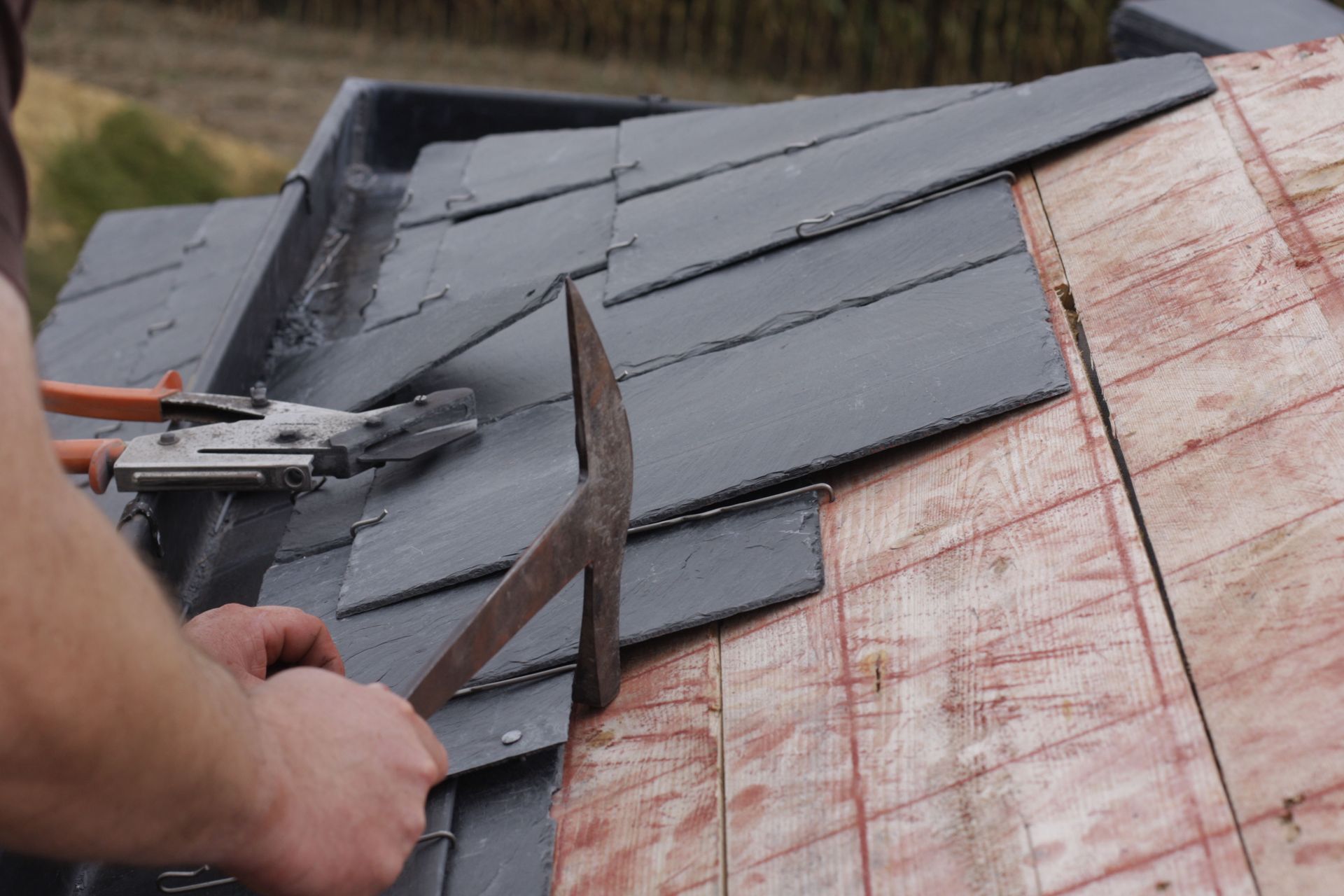
Repairs may be appropriate when damage affects a limited area and the surrounding slate remains in good condition. Replacing individual slates, correcting flashing problems, and addressing isolated leaks can resolve specific issues without disturbing the entire roof. These targeted improvements may also preserve original materials on historic homes. However, repeated repairs across multiple areas can indicate that a more comprehensive assessment is warranted.
Recognizing When Restoration Is Necessary
Restoration may be worth considering when deterioration affects multiple roof sections or when underlying components require substantial work. Depending on the findings, the process may involve carefully removing and sorting existing slates, repairing the roof deck, replacing worn flashing, and reinstalling suitable materials. Restoration requires careful planning because salvageable slate must be handled appropriately to prevent unnecessary breakage. The scope should reflect the roof's actual condition rather than assuming every slate needs replacement.
Weighing the Long-Term Benefits
The best choice depends on the extent of the damage, the condition of supporting materials, and the homeowner's long-term plans. Repeatedly repairing an extensively deteriorated roof can increase cumulative expenses, while unnecessary restoration can add costs when localized repairs would suffice. A slate roof contractor can explain the advantages and limitations of each approach, helping homeowners prioritize essential work and plan for future maintenance.
Evaluating Costs and Property Value
Preparing a Realistic Budget
Roofing expenses depend on the roof's size, pitch, accessibility, material condition, labor requirements, and the amount of underlying damage. Minor repairs generally cost less than restoration, but estimates should account for potential complications discovered after work begins. According to This Old House, nearly 31% of homeowners nationwide have pursued roof renovation, repair, or maintenance projects over the past three years. This investment activity highlights why homeowners should plan carefully, compare detailed estimates, and reserve funds for unexpected repairs.
Protecting the Home's Market Appeal
A well-maintained slate roof can support a home's appearance and reassure prospective buyers that an important part of the property has received attention. Conversely, visible damage and unresolved leaks may raise concerns about future expenses. Although roofing improvements do not guarantee a particular return on investment, documenting completed repairs and keeping inspection records can help homeowners explain the roof's condition during a future sale.
Preserving Architectural Character
Slate often contributes significantly to the character of historic and architecturally distinctive homes. Restoration should account for the original slate's color, size, texture, and installation pattern whenever practical. Matching replacement materials can help maintain the roof's appearance while supporting its continued function. Careful material selection is particularly important when preserving a building's historic features is a priority.
Considering Environmental and Performance Factors
Reducing Material Waste
Repairing a serviceable slate roof with the help of a slate roof contractor can reduce the need to discard usable materials. During restoration, suitable existing slates may be salvaged and reused, depending on their condition and the project's requirements. Metal components may also be recyclable where appropriate facilities accept them. Discussing material recovery before work begins helps homeowners understand how waste will be managed.
Improving Roof System Performance
Slate provides a durable exterior covering, but overall roof performance also depends on flashing, drainage, ventilation, insulation, and the supporting structure. If restoration exposes problems with these components, addressing them as part of the project may help protect the home from moisture and improve indoor comfort. Energy efficiency improvements should be based on the property's needs rather than assuming the slate itself is responsible for excessive heating or cooling costs.
Planning for Future Maintenance
Even after repairs or restoration, periodic inspections remain important. Homeowners should monitor interior ceilings for moisture, keep gutters and drainage systems clear, and arrange professional evaluations after significant weather events when concerns arise. Avoiding unnecessary pressure on slate and leaving roof access to qualified professionals can also reduce the risk of accidental damage.
Selecting Qualified Slate Roofing Professionals
Reviewing Relevant Experience
Slate roofing requires specialized knowledge because the material can crack when handled incorrectly and must be installed using appropriate techniques. Homeowners should look for contractors with demonstrable experience repairing and restoring slate roofs. References, photographs of comparable projects, and clear explanations of proposed methods can help establish whether a professional is suited to the work.
Comparing Detailed Estimates
Written estimates should outline the project scope, labor, materials, anticipated schedule, cleanup, and provisions for unexpected conditions. Homeowners should clarify whether the quote covers only visible damage or includes inspection of underlying components where accessible. Comparing estimates on the basis of scope and material quality, rather than price alone, can help prevent misunderstandings and unexpected expenses.
Establishing Clear Expectations
Before work begins, homeowners should review the contract, payment schedule, warranty terms, and procedures for handling additional repairs. A slate roof contractor should communicate findings clearly and explain why particular work is recommended. Regular updates and documented changes can help keep the project organized while ensuring that important decisions are made with an understanding of their costs and implications.
Planning the Next Stage of Your Slate Roof
Scheduling the Work
Weather, material availability, project complexity, and contractor scheduling all influence the timing of roof repairs and restoration. Addressing active leaks and conditions that threaten the roof's integrity should take priority over cosmetic improvements. Planning ahead allows homeowners to arrange inspections, evaluate estimates, and schedule work under suitable conditions without rushing important decisions.
Making an Informed Decision
Choosing between repair and restoration begins with understanding the roof's current condition and identifying the work needed to maintain its performance. Targeted repairs may be sufficient for isolated damage, while widespread deterioration can justify a broader project. A qualified slate roof contractor can help homeowners weigh costs, preserve architectural details, and establish a maintenance plan suited to the property.
Homeowners considering their next roofing project can contact Holzer Jesko Quality Exteriors to discuss their property's needs and explore appropriate options. Professional guidance can help clarify the condition of an aging slate roof, prioritize necessary work, and support informed decisions about its long-term care.