November 9, 2026
Gutters protect a home's structure by directing rainwater away from the roof, siding, and foundation. However, as gutter systems age, their ability to manage water can decline. Deteriorating materials, leaks, and drainage problems may allow moisture to reach vulnerable areas, potentially leading to expensive repairs.
Older homes with built-in gutter systems may face additional maintenance considerations. Unlike conventional gutters attached to the roofline, box gutters are integrated into the structure and require careful attention as they deteriorate. Understanding how aging gutters affect a home can help property owners determine when box gutter replacement may be worth considering.
Understanding the Role of Gutters in Home Protection
Directing Rainwater Away from Foundations
Gutters collect rainwater and direct it away from a home's foundation. When they become damaged or clogged, water may overflow and accumulate around the property. Continued exposure can contribute to soil erosion, basement moisture, and foundation deterioration. Properly functioning downspouts help move precipitation away from these vulnerable areas.
The direction and condition of the surrounding soil also influence how effectively runoff moves away from the house.
Preventing Roof and Attic Damage
Gutters manage water flowing from the roof. Restricted drainage can contribute to leaks and deterioration around roof edges. Moisture that enters the roof structure may affect attic insulation, wooden components, and interior ceilings. Maintaining the drainage system helps limit these problems during heavy rainfall.
Protecting Siding and Exterior Walls
When gutters fail to direct water properly, rain can run down exterior walls and collect around windows and doors. Repeated exposure may cause paint to peel, siding to deteriorate, and wooden components to develop rot. Proper drainage helps protect these surfaces and preserve the home's exterior.
Preserving Landscaping and Outdoor Areas
Uncontrolled runoff can wash away soil, disturb garden beds, and create muddy areas near walkways. Repeated runoff may also damage plants and contribute to uneven ground. Functional gutters help control where rainwater flows, limiting disruption to outdoor spaces.
Recognizing the Signs of Aging Gutters
Visible Rust and Corrosion
Rust and corrosion indicate deterioration in metal gutter systems. Exposure to moisture and changing weather conditions can gradually weaken the material. As corrosion progresses, holes may develop and allow water to escape before reaching the downspouts. In older built-in systems, deterioration may extend beyond the visible surface.
Cracks, Splits, and Persistent Leaks
Cracks and splits interfere with drainage and allow rainwater to reach surrounding materials. Small openings may expand as temperatures fluctuate. Persistent leaks around seams or joints also suggest that the system needs attention. When repeated repairs no longer address the underlying deterioration, replacement may be worth evaluating.
Peeling Paint and Water Stains
Peeling paint, discoloration, and water stains near the roofline can indicate gutter-related moisture problems. These signs may appear on exterior trim, fascia boards, or siding. In older homes, deterioration can remain hidden beneath exterior finishes, making inspection important when unexplained moisture damage appears.
Sagging Gutters and Poor Drainage
Gutters that sag or pull away from their original position may have loose fasteners, weakened supports, or accumulated debris. Misalignment can prevent water from flowing toward drainage points. Overflowing water and standing puddles in gutter sections also indicate that the system may not be functioning properly.
Understanding the Consequences of Neglected Gutters
Basement Moisture and Foundation Deterioration
When rainwater collects near a home's foundation, moisture may enter basements and crawl spaces. This can contribute to damp conditions, musty odors, and deterioration of foundation materials. Depending on the property's construction and surrounding soil, prolonged exposure may also contribute to structural concerns.
Roof and Attic Deterioration
Damaged gutters can allow water to collect near roof edges or enter areas beneath roofing materials. Moisture may affect roof decking, wooden supports, and attic insulation. Damp conditions can also encourage mold growth, particularly in spaces with limited ventilation.
Exterior Wood Rot and Siding Damage
Overflowing water can weaken exterior wood components, including fascia boards, trim, and window frames. Paint may blister or peel, while moisture trapped behind siding can contribute to deterioration. These issues affect the property's appearance and condition, making proper drainage an important part of exterior maintenance.
Pest and Landscaping Problems
Clogged or damaged gutters can create conditions that attract pests. Standing water may provide breeding areas for mosquitoes, while damp wood and debris can attract insects. Excessive runoff can also disturb landscaping and leave persistently wet areas around the home.
Maintaining Gutters and Evaluating Replacement Needs
Scheduling Regular Inspections
Routine inspections help identify gutter problems before they affect other parts of the property. Homeowners should look for corrosion, leaks, sagging sections, and water damage around the roofline. Older systems may require closer evaluation because deterioration can occur in areas that are difficult to see from the ground.
Removing Debris and Maintaining Drainage
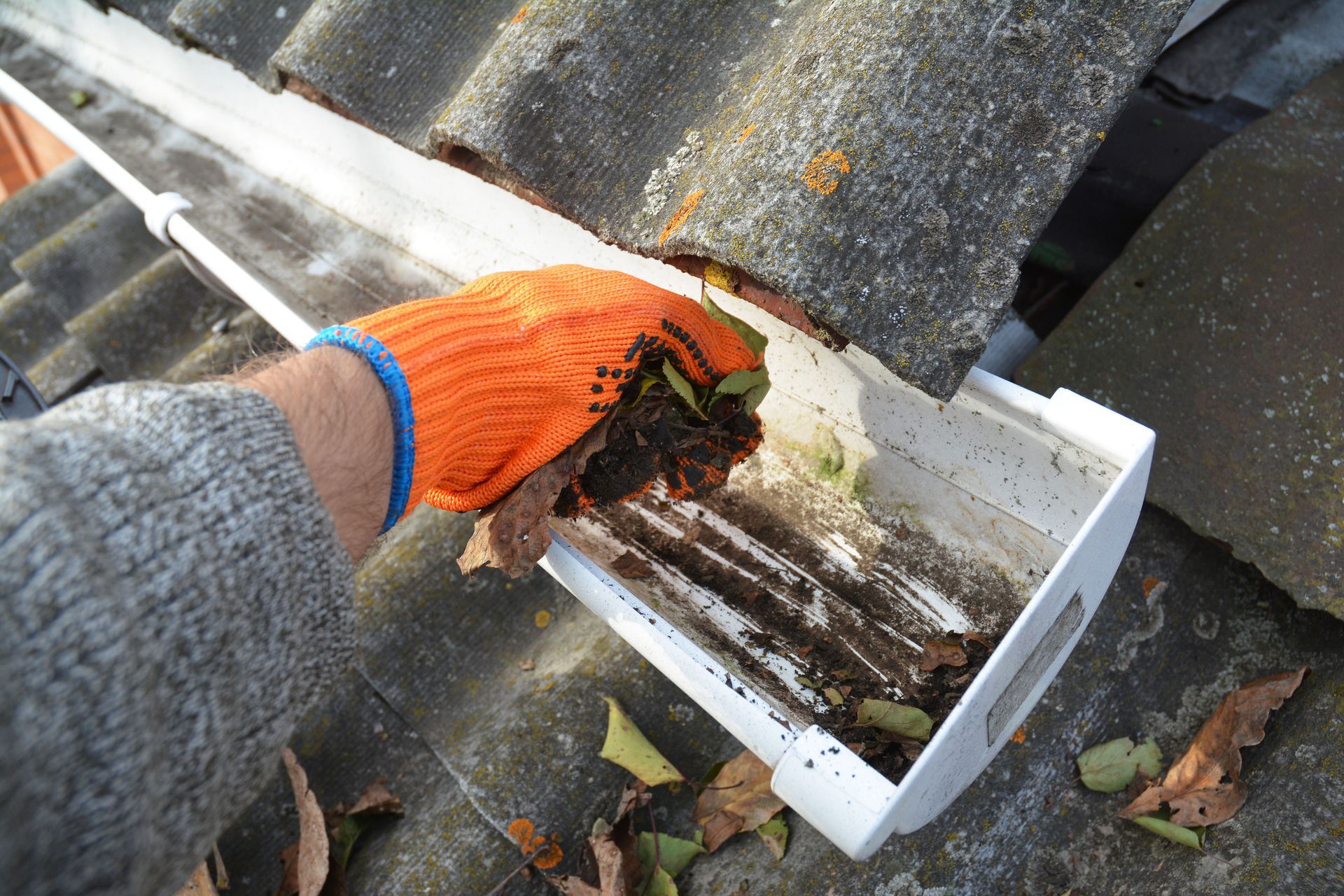
Leaves, twigs, and other debris can restrict water movement through gutters and downspouts. Periodic cleaning helps reduce blockages and maintain drainage. Homes surrounded by mature trees may require more frequent attention, particularly during fall. Downspouts should also be checked for obstructions that prevent water from draining properly.
Understanding Gutter Lifespans
Material, installation quality, weather exposure, and maintenance all influence gutter longevity. According to Home Advisor, gutters may need replaced every 20 years to maintain proper drainage and prevent water damage. This timeframe provides a general reference, but actual replacement needs depend on the system's condition and construction.
Homeowners should consider visible wear and recurring drainage issues alongside the system's age when evaluating its condition.
For older properties, box gutter replacement may involve more considerations than replacing conventional exterior gutters. The condition of the surrounding roof structure, supporting wood, and drainage connections can influence the project's scope. An inspection can help determine whether localized repairs or a more extensive replacement is appropriate.
Considering Box Gutter Replacement Options
Evaluating Suitable Materials
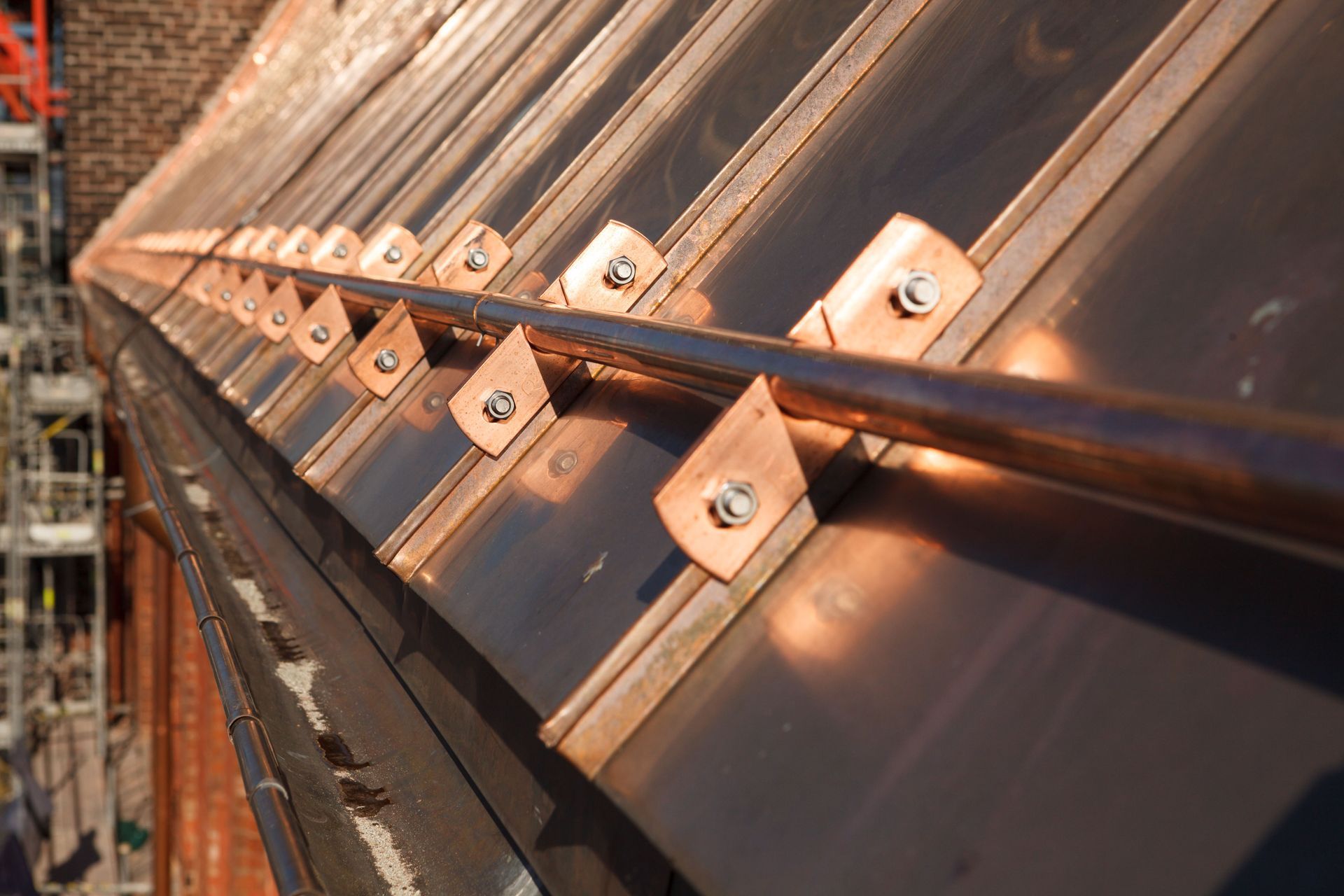
Material selection is an important consideration when planning a replacement. Aluminum, galvanized steel, and copper offer different characteristics related to durability, appearance, maintenance, and cost. Copper may complement traditional architecture, while other metals provide practical options for different property styles. The home's design and drainage configuration should guide the selection. During box gutter replacement planning, homeowners can discuss which materials suit the property's construction and drainage requirements.
Addressing Underlying Structural Damage
Replacing an aging gutter system may reveal deterioration in nearby roofing materials or wooden supports. Rotting boards, damaged connections, and moisture-affected materials may need attention before installation. Addressing these conditions helps avoid concealing existing problems beneath the new system. A thorough evaluation before box gutter replacement can help identify areas that may need repair as part of the project.
Preserving the Home's Architectural Character
Box gutters often appear on older and historically styled properties, where their built-in design contributes to the roofline's appearance. Replacing these systems requires consideration of the home's original construction and exterior details. Box gutter replacement offers an opportunity to address drainage concerns while maintaining the architectural character of an older property.
Selecting a Qualified Exterior Contractor
Because built-in gutters connect to the roof structure, replacement involves more than attaching new channels along the roofline. Homeowners should seek contractors familiar with these systems who can evaluate surrounding materials. Reviewing previous work, discussing material options, and obtaining a clear estimate can help property owners make informed decisions.
It is also helpful to clarify which materials and repairs are included in the proposed project before work begins.
Aging gutters can affect foundations, exterior walls, landscaping, and other structural components. Regular maintenance can extend a system's useful life, but it cannot resolve every issue. When repairs are no longer practical, professional box gutter replacement may be an appropriate consideration.
Holzer Jesko Quality Exteriors offers exterior services to help homeowners address property maintenance and replacement needs. Contact the team to discuss your home's gutter condition and explore potential solutions for maintaining its exterior.