
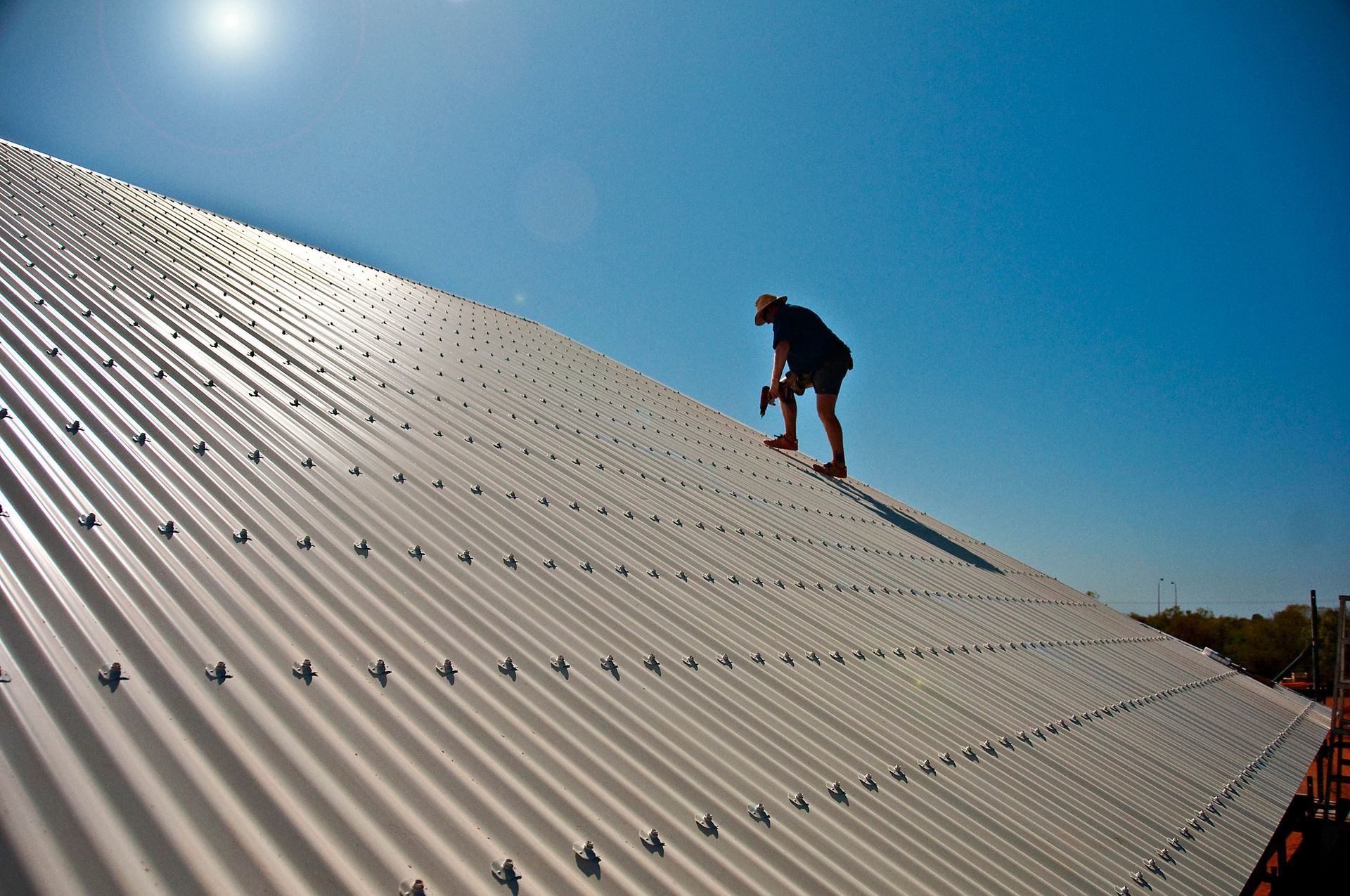
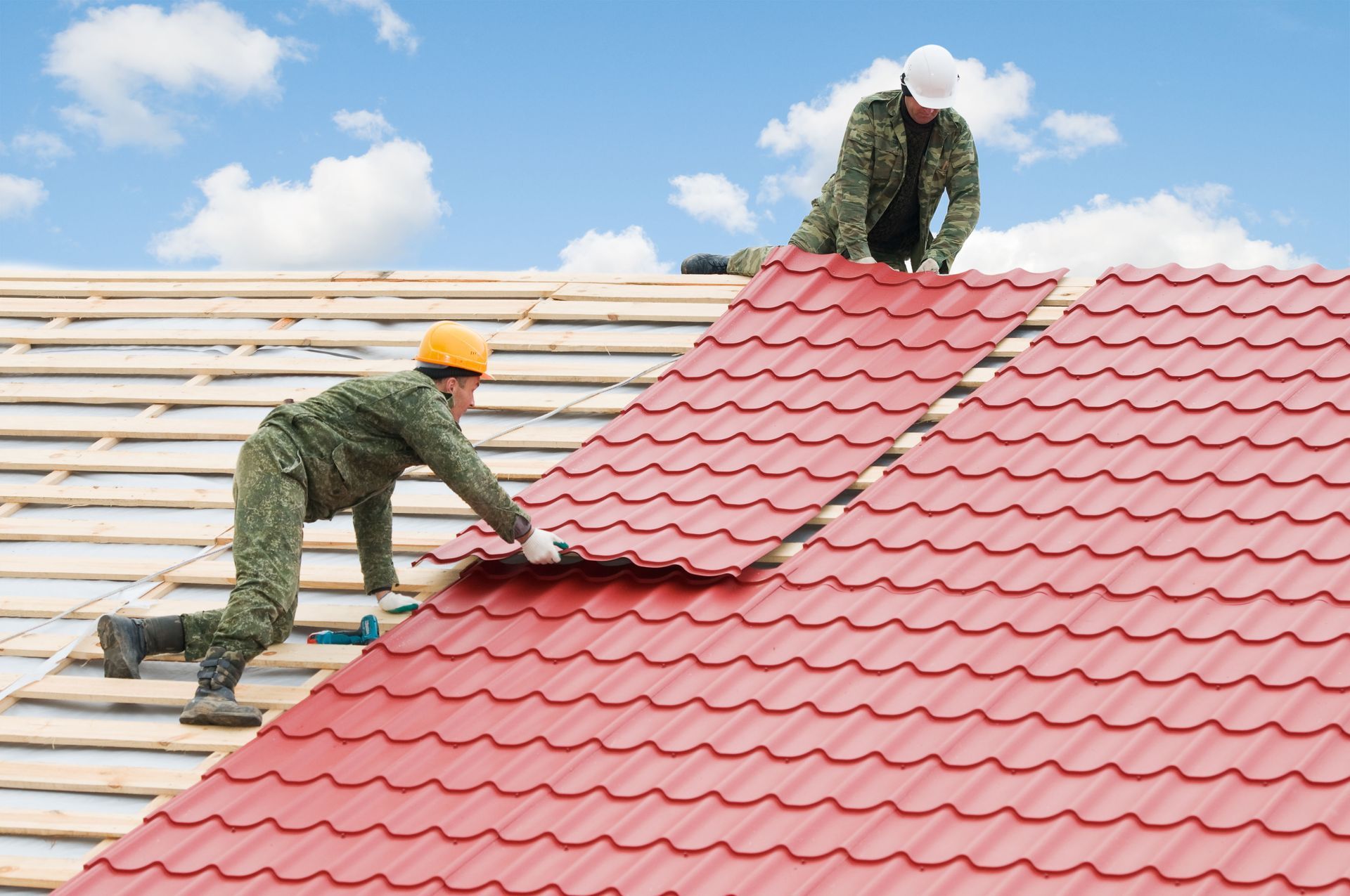
Choosing the right roofing material involves more than selecting an attractive color or style. Roof pitch plays an important role in determining whether a material will provide reliable protection against the elements. For homeowners considering tile roofing, understanding slope requirements is essential. At Holzer Jesko Quality Exteriors, we recognize that every roof has unique structural and environmental considerations. Our goal is to help homeowners understand how roof design affects material selection, drainage, and long-term performance. Working with experienced tile roofing contractors can help ensure that roofing materials meet a home's requirements. Understanding the Basics of Roof Pitch Defining Roof Pitch and Its Importance Roof pitch describes the steepness of a roof and is typically expressed as a ratio. This measurement indicates how much the roof rises vertically over a specified horizontal distance. Pitch affects how efficiently rainwater and melting snow move off the roof. Steeper slopes generally encourage faster drainage, while shallower slopes require additional waterproofing. The correct pitch also contributes to structural stability and influences which roofing materials can be installed safely. Measuring Roof Pitch Accurately Roof pitch is commonly measured using a 12-inch horizontal run. For example, a 6:12 pitch means the roof rises six inches for every 12 inches of horizontal distance. According to The Spruce, tile roofs are best suited for steep slopes and should not be used on pitches below 4:12. This recommendation emphasizes the importance of evaluating roof slope before selecting traditional tile materials. However, manufacturer instructions and local building codes may establish different requirements for particular roofing systems. Professional tile roofing contractors can evaluate roof dimensions and determine whether a proposed material meets installation standards. Considering Climate and Weather Conditions Local weather patterns influence roofing performance. Areas experiencing frequent rainfall require effective drainage systems, while regions with substantial snowfall must account for additional structural loads. Steeper roofs can help water and snow move away from vulnerable areas. However, roof pitch alone does not guarantee protection against severe weather. Proper underlayment, flashing, ventilation, and secure attachment methods remain essential components of a dependable roofing system. Comparing Different Tile Roofing Materials Evaluating Clay Roofing Tiles Clay tiles are recognized for their traditional appearance, distinctive colors, and durability. They are commonly associated with Mediterranean and Spanish-inspired architecture. These tiles resist deterioration from sunlight and can provide lasting protection when installed correctly. However, clay roofing materials are relatively heavy and may crack under concentrated pressure or impact. Their installation requires careful consideration of structural support and roof slope. Homeowners should consult qualified professionals before selecting clay tiles. Evaluating Concrete Roofing Tiles Concrete tiles provide an alternative to traditional clay materials. Manufacturers produce them in various colors, shapes, and textures, allowing homeowners to achieve different architectural appearances. Concrete tiles offer excellent durability, although their substantial weight must be considered during structural assessments. Some products require specialized underlayment or fastening systems depending on roof pitch and regional weather conditions. Experienced tile roofing contractors can explain how concrete roofing materials compare with other options. Evaluating Synthetic Roofing Tiles Synthetic roofing products are manufactured using engineered materials designed to replicate traditional clay, concrete, or slate. Certain synthetic products weigh considerably less than conventional tiles, potentially reducing structural demands. However, their performance characteristics vary depending on composition, manufacturing quality, and installation requirements. Homeowners should review manufacturer specifications, warranty coverage, and building approvals before selecting synthetic roofing materials. Determining Appropriate Roof Pitch Requirements Understanding Minimum Slope Recommendations Minimum slope requirements help ensure that roofing systems manage water effectively. Traditional overlapping tiles rely on their arrangement and underlying waterproofing system to protect the roof deck. When a roof is too shallow, wind-driven rain may penetrate beneath the tiles. Water can also drain more slowly, increasing moisture exposure. Although a 4:12 pitch is a useful general guideline, some approved tile systems permit installation on lower slopes with additional waterproofing measures. The appropriate minimum pitch depends on the product, installation specifications, and applicable codes. Reviewing Local Building Code Requirements Building codes establish requirements intended to protect occupants and preserve structural integrity. These regulations may address roof slope, material weight, fastening methods, wind resistance, and underlayment specifications. Requirements differ between jurisdictions, making local compliance an important part of project planning. Professional tile roofing contractors should evaluate applicable standards before recommending materials or beginning installation. Assessing Structural Support Requirements Roofing materials place different loads on a home's structural framework. Traditional clay and concrete tiles can weigh substantially more than asphalt shingles. Before replacing lightweight roofing with heavier materials, the existing structure must be evaluated for adequate support. Rafters, trusses, decking, and other structural components may require professional assessment. Additional considerations include snow loads, wind exposure, and the condition of the existing framework. A thorough evaluation helps determine whether reinforcement or alternative materials are necessary. Preparing for Professional Tile Roof Installation Inspecting the Existing Roof Deck A successful roofing installation begins with a structurally sound roof deck. Damaged decking, moisture deterioration, or uneven surfaces can compromise the finished system. Roofing professionals inspect these components and identify areas requiring repair before installation. Deck preparation also involves confirming that the structure can accommodate the selected roofing system. Addressing underlying problems early helps reduce future water intrusion and deterioration. Selecting Suitable Underlayment Materials Underlayment provides a secondary layer of protection beneath roofing tiles. Common options include asphalt-based products, synthetic membranes, and self-adhering waterproofing materials. The appropriate selection depends on roof pitch, climate, manufacturer requirements, and local regulations. Lower-slope applications may require enhanced underlayment systems for sufficient moisture protection. Qualified tile roofing contractors understand how these components work together to support reliable roofing performance. Securing Tiles Against Weather Exposure Tile attachment methods vary according to material type, roof slope, and environmental conditions. Professional installations may incorporate mechanical fasteners, approved adhesives, clips, or other manufacturer-specified attachment systems. Proper placement helps prevent displacement during strong winds while maintaining the intended drainage pattern. Roof valleys, ridges, penetrations, and perimeter areas require careful detailing to prevent water infiltration. These considerations are particularly important for roofs exposed to challenging weather conditions. Recognizing Common Tile Roofing Problems Identifying Drainage and Moisture Concerns Poor drainage can create significant roofing problems. Warning signs include persistent moisture, interior water stains, damaged underlayment, or deteriorating roof decking. Improper slope, blocked drainage pathways, and installation defects can contribute to these conditions. Cracked or displaced tiles may also expose underlying components to moisture. Homeowners who notice potential roofing problems should arrange a professional inspection rather than attempting repairs themselves. Addressing Roof Pitch and Installation Issues Not every roofing problem requires changing the roof's slope. Damaged flashing, inadequate underlayment, or improperly secured tiles may be responsible. A professional assessment can distinguish isolated installation problems from broader design limitations. When roof pitch is incompatible with the existing material, replacement with a more suitable roofing system may be necessary. Structural modifications should only be considered after appropriate engineering and code evaluations. Maintaining Long-Term Roofing Performance Routine professional inspections help identify deterioration before it develops into extensive damage. Maintenance may involve checking tile alignment, evaluating flashing, clearing drainage obstructions, and examining exposed roofing components. Inspection frequency should reflect the roof's age, condition, and exposure to severe weather. Prompt professional attention to damaged tiles or moisture concerns helps preserve the roof's protective function. Choosing the Right Roofing Professionals Evaluating Roofing Experience and Expertise Selecting qualified roofing professionals is important for a successful project. Homeowners should consider a contractor's experience with their preferred roofing material, knowledge of local regulations, and understanding of structural requirements. Reliable tile roofing contractors should explain the installation process, material specifications, and warranty considerations. Clear communication helps homeowners understand their options before committing to a roofing investment. Planning for Long-Term Roof Protection A well-designed roofing system balances appearance, structural compatibility, drainage, and durability. The best material is not necessarily the heaviest, most expensive, or most visually distinctive option. Instead, it should match the property's requirements. Working with experienced tile roofing contractors helps homeowners choose materials that meet their roof's structural and drainage requirements. At Holzer Jesko Quality Exteriors, we believe informed roofing decisions begin with understanding how each component contributes to performance. Whether homeowners are exploring tile roofing or considering another roofing solution, professional guidance can help identify suitable options. Contact Holzer Jesko Quality Exteriors to discuss your roofing needs and learn more about selecting materials that complement your home's design while providing dependable protection.
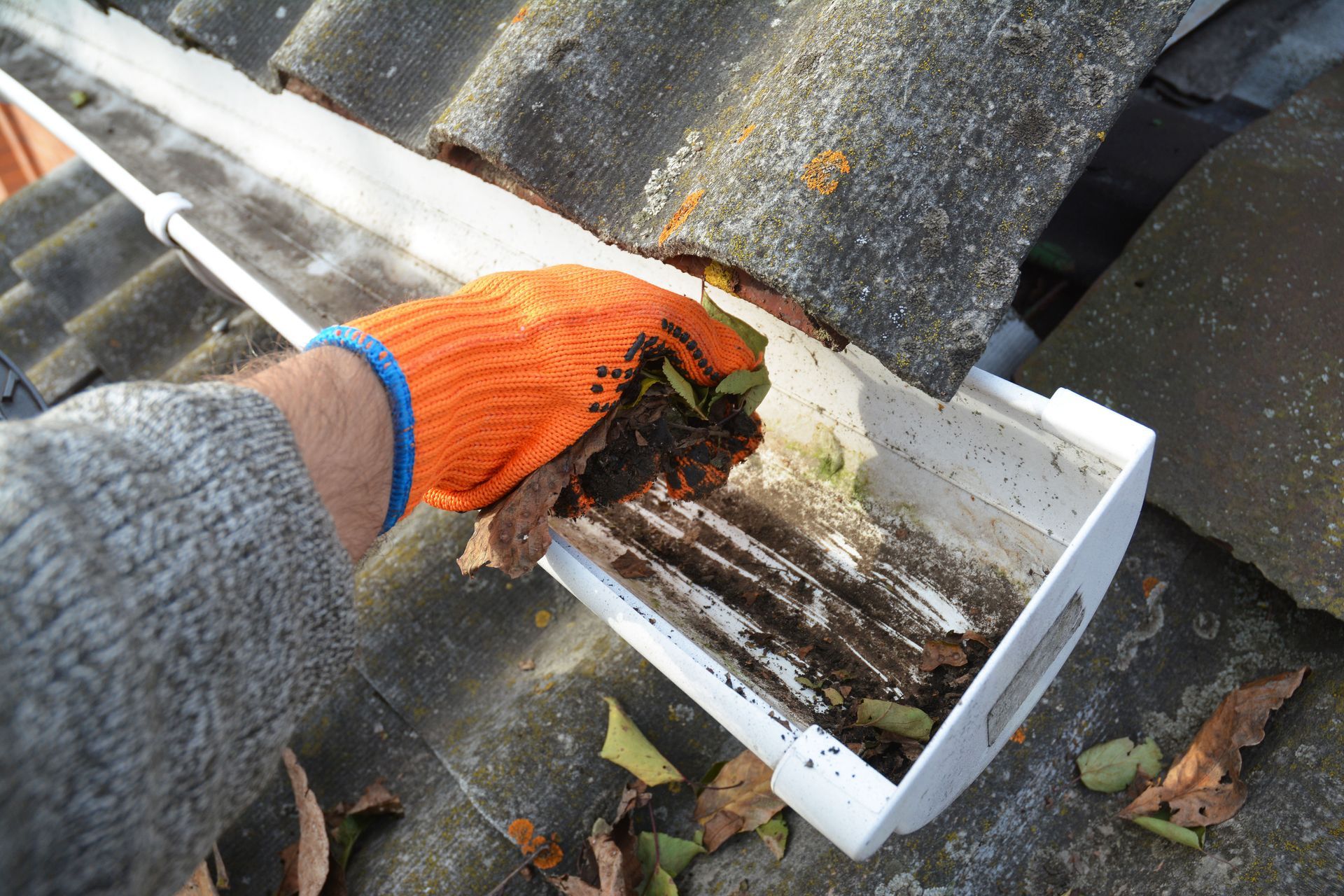
Protect your home from costly water damage. Discover warning signs of failing gutters and learn when box gutter replacement is necessary for older properties.
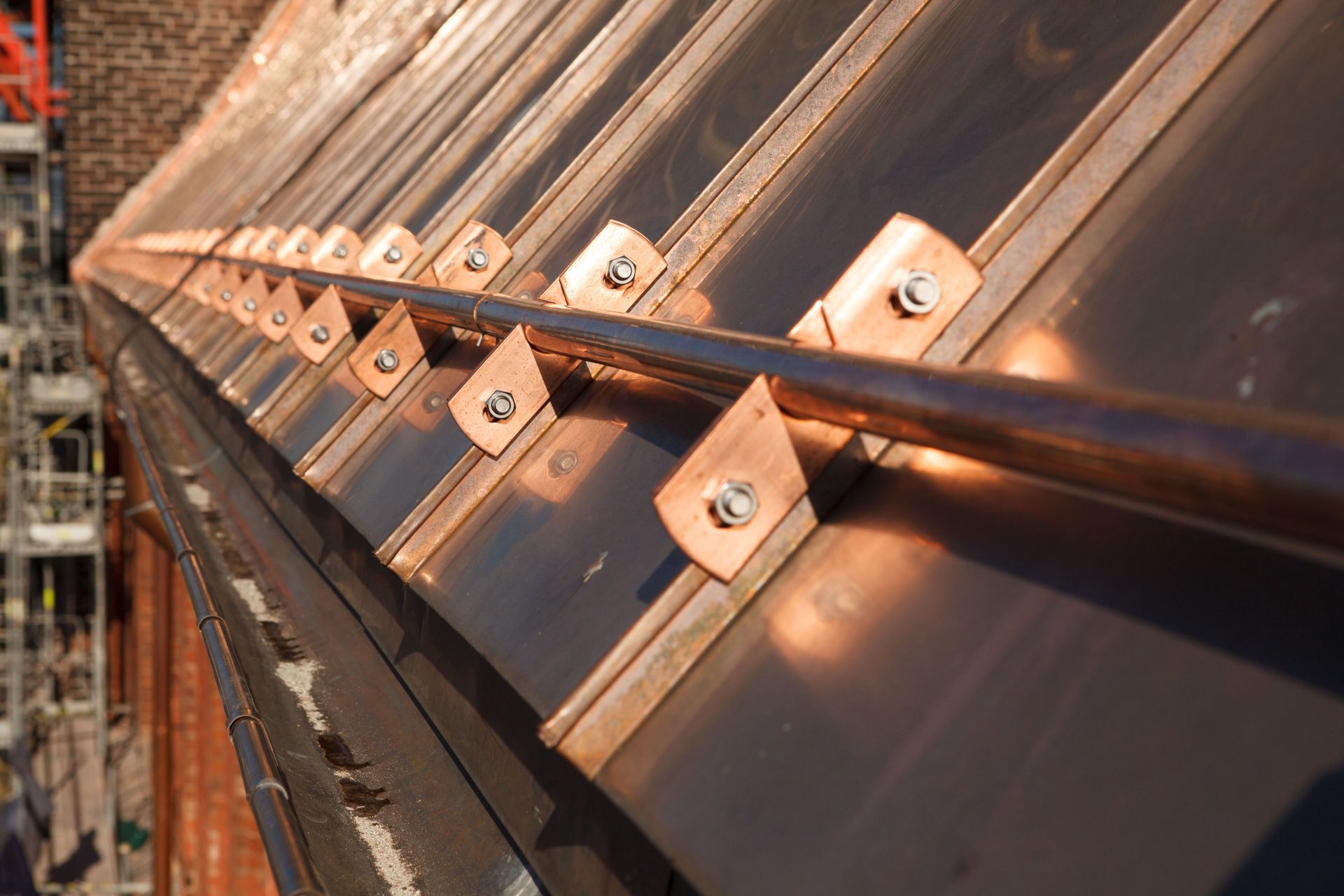
Learn how professional soldering techniques seal leaks, restore damaged seams, and improve durability when completing exterior copper repairs on your property.